Research — Materials & Systems
Bio-Based Electronics
What happens to an interface when the components inside it are alive?
The Question
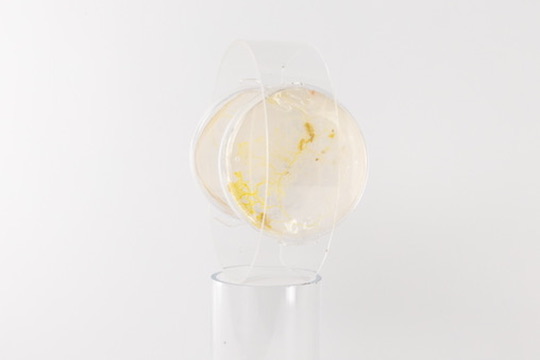
Most interface design assumes stable, predictable components: a button either works or it does not. This is ongoing research into what changes when the conductive material itself is organic, growing and decaying and responding to its environment on its own timeline, independent of the person using it.
The Approach
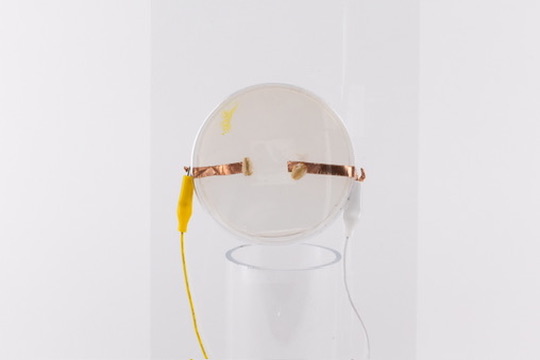
I am testing the conductive properties of organic materials, and the behaviors of different living organisms, as literal circuit components, then documenting how their variability changes what reliable feedback means. A conventional sensor gives a clean, repeatable reading, while a biological one drifts. Designing around that drift, rather than trying to eliminate it, is the core of the investigation.
Why It Matters
As more everyday objects embed sensors and feedback loops, I think the underlying question of how much unpredictability a system can have before people stop trusting it becomes a genuine UX problem, not only a materials one. This research is the foundation that a lot of my later interaction work builds on, including Slimesynthzer and Date Clock.